

Your Heating, Ventilation, and Air Conditioning (HVAC) system is one of the most expensive and vital components of your home. In regions with long, high-demand cooling seasons—such as Austin and the surrounding Central Texas area—your AC unit works overtime for months on end.
When it comes time to sell your home—or simply protect your daily comfort and utility budget—a neglected HVAC system is one of the first things to trigger major red flags on a home inspection report. Fortunately, keeping your system running smoothly and avoiding costly water damage or component failure boils down to a mix of simple home habits and regular professional care.
Here is what every Central Texas homeowner needs to know about maintaining their HVAC system, preventing attic water disasters, and keeping their cooling system running efficiently year-round.
1. The Power of Bi-Annual Condensate Drain Flushing
Most homeowners know to change their air filters, but very few realize that one of the biggest hazards lurking in their attic is a clogged primary condensate line.
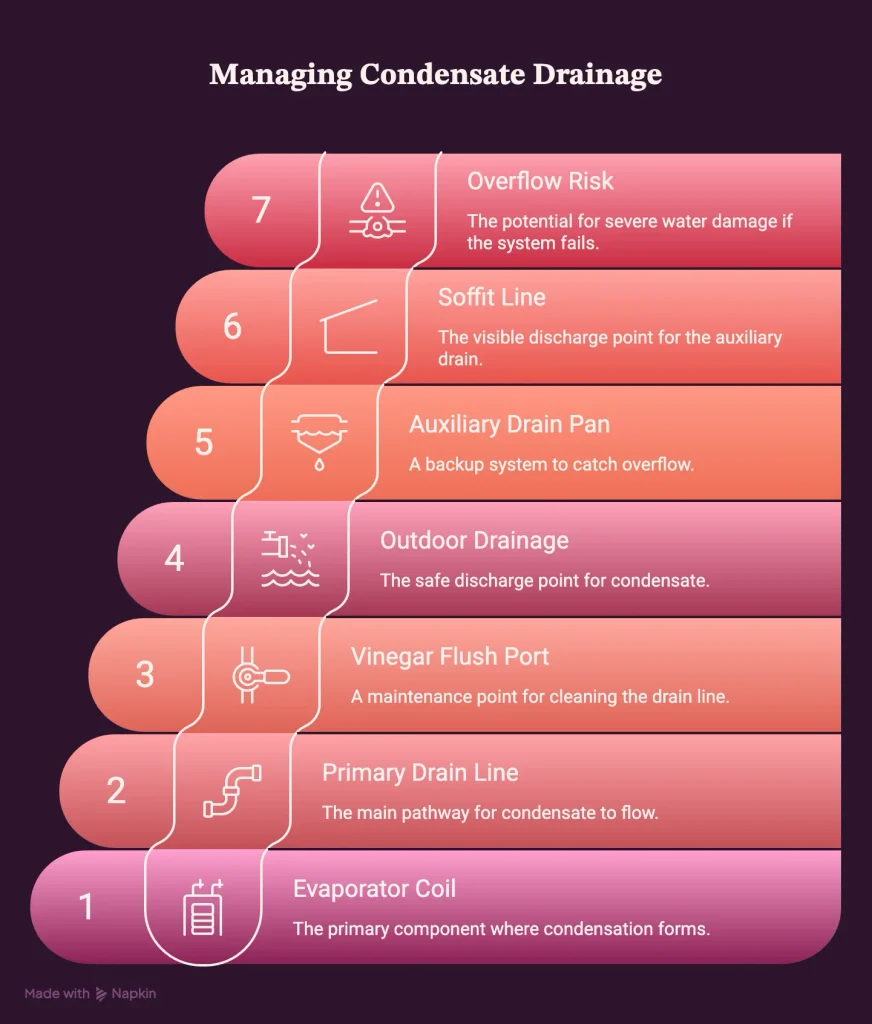
As your air conditioner cools the air during hot Texas days, it pulls moisture out of the atmosphere. That condensation collects in a drain pan under the indoor evaporator coil and flows out of your home through a plastic primary drain line. Because this line is constantly dark, warm, and moist, it becomes a prime breeding ground for algae, mold, and sludge.
Why Last-Minute Flushing Isn’t Enough
Pouring a solution down the drain line right before a home inspection isn’t a quick fix—it is a critical routine maintenance task that must be performed every six months.
How to Flush Your Primary Drain Line:
Locate the PVC access T-pipe or port near your indoor HVAC unit (usually in the attic or utility closet).
Remove the cap from the vertical pipe access point.
Mix a 50/50 solution of warm water and white vinegar.
Slowly pour approximately 1 to 2 cups of the mixture down the pipe.
Replace the cap firmly.
Doing this every six months breaks up organic buildup and prevents sludge from forming, ensuring condensation drains freely outside rather than backing up into your house.
2. Recognizing the “Red Flag” Emergency Drain Pan
When a primary condensate drain becomes clogged due to lack of routine maintenance, the water has nowhere to go. It overflows into the auxiliary (emergency) drain pan sitting directly beneath the indoor unit in your attic.
While the emergency pan is designed as a safety backup, seeing standing water or active drainage coming from your secondary line is a critical warning sign:
Immediate Risks: If the emergency pan overflows or its secondary drain line also clogs, unmanaged water will spill directly onto your attic floor.
Property Damage: Water leaking through the ceiling can cause structural drywall damage, collapsed ceilings, ruined insulation, and widespread microbial/mold growth.
Inspection Impact: During a home inspection, water found in the auxiliary pan or active discharge from the secondary drain line is instantly flagged as a deferred maintenance issue requiring immediate evaluation by a licensed technician.
3. Regular Air Filter Replacement
It sounds simple, but running an HVAC system with dirty or improperly fitted air filters causes a compounding chain reaction of problems:
Restricted Airflow: A clogged filter starves the system of air, forcing the blower motor to work twice as hard.
Coil Freezing: Reduced airflow causes the evaporator coil’s temperature to drop below freezing, turning condensation on the coil into solid ice.
System Strain & High Bills: As ice melts or blocks airflow entirely, cooling capacity drops while energy consumption spikes.
Maintenance Standard: Inspect your filters monthly and replace them at least every 90 days (or every 30 to 60 days if you have pets or allergy sufferers).
4. Annual Professional HVAC Servicing
While bi-annual drain flushing and filter changes are essential DIY tasks, they do not replace the trained eye of a licensed professional. Your system should be serviced by a licensed HVAC contractor at least once a year—ideally before the extreme summer heat arrives in Central Texas.
A professional HVAC tune-up covers critical items you cannot inspect yourself:
Checking refrigerant levels and testing for system leaks.
Measuring electrical draw, capacitor output, and blower motor health.
Cleaning electrical contacts and inspecting the compressor.
Cleaning the exterior condenser coils and verifying temperature differentials (delta T).
Tip for Home Sellers: Always keep copies of your annual HVAC service invoices attached to your thermostat or home documentation binder. Showing prospective buyers and home inspectors proof of regular professional service builds immediate confidence in how the property has been cared for.
What a Deficiency Narrative Looks Like
When an HVAC condensate system lacks routine care, here is how a home inspector documents the finding in a formal inspection report:
The primary condensate line lacks evidence of routine bi-annual maintenance, resulting in algae buildup and condensate actively discharging into the auxiliary drain pan in the attic. The primary condensate line requires ongoing maintenance every six months to clear standing moisture and organic growth; without this routine care, blockages force condensation into the emergency pan. If the emergency line or drain pan fails, unmanaged water can cause severe drywall damage, ceiling collapse, or microbial growth inside the home. Flush the primary drain line with a warm water and white vinegar solution every six months as part of regular home maintenance, and evaluate the current system with a licensed HVAC contractor to clear existing blockages and restore proper primary drainage.

